

Few dishes rival the pure satisfaction of a perfectly Pan-Seared Garlic Butter Steak with a deeply caramelized crust and tender, juicy center. This garlic butter ribeye delivers bold flavor with minimal ingredients, proving that great cooking is all about technique and quality.
Using a hot cast-iron skillet and a simple butter-basting method with fresh herbs and smashed garlic, you create a steakhouse-worthy dinner in under 20 minutes. Whether you’re planning a cozy dinner for two or treating yourself to a protein-packed indulgence, this recipe guarantees rich flavor and flawless texture every time.
Full Recipe:
Ingredients:
- 2 ribeye steaks (1-inch thick), room temperature
- Salt and freshly ground black pepper, to taste
- 1 tablespoon olive oil
- 3 tablespoons unsalted butter
- 3 cloves garlic, smashed
- 2 sprigs fresh rosemary
- 2 sprigs fresh thyme
Directions:
- Remove the ribeye steaks from the refrigerator 30 minutes before cooking to bring them to room temperature. Pat dry thoroughly with paper towels.
- Generously season both sides of the steaks with salt and freshly ground black pepper.
- Heat a heavy cast-iron skillet over high heat until very hot. Add olive oil and swirl to coat the pan.
- Carefully place the steaks in the skillet. Sear without moving them for 3–4 minutes, until a deep golden-brown crust forms.
- Flip the steaks and cook for another 3 minutes.
- Reduce heat to medium. Add butter, smashed garlic, rosemary, and thyme to the skillet.
- Tilt the pan slightly and spoon the melted garlic herb butter over the steaks continuously for 1–2 minutes to baste and enhance flavor.
- Cook to desired doneness (125°F for rare, 135°F for medium-rare, 145°F for medium).
- Remove steaks from the skillet and let rest for 5–10 minutes before slicing and serving.
Prep Time: 10 minutes | Cooking Time: 10 minutes | Total Time: 20 minutes
Kcal: 520 kcal | Servings: 2 servings
The Ultimate Guide to Pan-Seared Garlic Butter Steak
There are few dishes in the culinary world as universally loved and deeply satisfying as a perfectly cooked steak. When executed correctly, a pan-seared garlic butter steak delivers an irresistible combination of crisp caramelized crust, juicy interior, and rich, herb-infused flavor that rivals the finest steakhouses. Yet, despite its luxurious results, this dish relies on simple ingredients and straightforward technique.
In this comprehensive guide, we’ll explore everything you need to know about mastering pan-seared steak at home—from selecting the right cut of beef and understanding marbling to achieving the perfect sear and internal temperature. Whether you’re a beginner cook or a seasoned home chef, this deep dive will elevate your steak game to professional level.
Why Pan-Seared Steak Is the Gold Standard
Pan-searing is widely considered the best method for cooking steak indoors. While grilling has its place, pan-searing offers unmatched control over heat, surface contact, and butter basting.
The magic lies in direct heat transfer. When steak meets a screaming hot skillet—preferably cast iron—the surface proteins and sugars undergo the Maillard reaction. This chemical reaction is responsible for the deeply browned crust and complex savory flavors we associate with great steak.
Unlike oven roasting alone, pan-searing creates that signature crust first, locking in juices while building layers of flavor. The addition of butter, garlic, and herbs transforms a simple piece of beef into a restaurant-quality masterpiece.
Choosing the Best Cut of Steak
The quality of your steak directly determines your final result. While many cuts work for pan-searing, some stand above the rest.
Ribeye
Ribeye is the king of pan-seared steaks. Its abundant marbling melts during cooking, naturally basting the meat from within. The result is exceptionally juicy, tender, and flavorful beef with a buttery richness.
New York Strip
Lean but still well-marbled, the strip steak offers a firmer texture and bold beef flavor. It develops a fantastic crust and slices beautifully for presentation.
Filet Mignon
Filet is incredibly tender but lean. Because it lacks heavy marbling, it benefits greatly from butter basting to enhance richness.
Thickness Matters
For pan-searing, aim for steaks that are at least 1 inch thick, preferably 1.25 to 1.5 inches. Thicker steaks are easier to cook to precise doneness without overcooking.
Understanding Marbling and Why It Matters
Marbling refers to the thin white streaks of intramuscular fat throughout the meat. During cooking, this fat renders and enhances flavor, moisture, and tenderness.
Higher marbling equals:
- Better flavor
- More juiciness
- Greater forgiveness during cooking
Look for evenly distributed marbling rather than large chunks of fat. USDA Prime or Choice grades are ideal for premium results.
The Importance of Room Temperature Steak
Bringing your steak to room temperature before cooking ensures even doneness from edge to center.
If you place a cold steak into a hot pan, the exterior may overcook before the interior warms properly. Allowing the steak to rest outside the refrigerator for 30–45 minutes promotes consistent cooking and helps achieve that coveted medium-rare center.
Pat It Dry: The Secret to a Better Crust
Moisture is the enemy of searing. Before seasoning, pat your steak thoroughly dry with paper towels.
Surface moisture causes steaming instead of searing. Steam prevents browning and reduces crust formation. A dry surface ensures maximum contact with the hot skillet and accelerates caramelization.
Seasoning: Simplicity Is Key
A great steak doesn’t need complicated marinades. In fact, simplicity allows the natural beef flavor to shine.
Use:
- Kosher salt
- Freshly cracked black pepper
Season generously. Steak is thick, and proper seasoning is essential for balanced flavor.
Salt can be applied just before cooking or up to 24 hours in advance (dry brining). If salting ahead of time, leave the steak uncovered in the refrigerator to dry the surface even further.
Why Cast Iron Is the Best Pan
Cast iron retains heat better than almost any other cookware. When preheated properly, it maintains consistent high temperatures even after adding steak.
Benefits of cast iron:
- Superior heat retention
- Even cooking
- Incredible crust development
- Oven-safe versatility
If cast iron isn’t available, use a heavy stainless steel skillet. Avoid non-stick pans for high-heat searing.
The Science Behind the Perfect Sear
The Maillard reaction occurs at temperatures above 300°F (150°C). To achieve this:
- Preheat your skillet thoroughly.
- Add a high smoke point oil (like avocado oil or refined olive oil).
- Do not move the steak during initial searing.
Movement interrupts crust formation. Leave the steak undisturbed for 3–4 minutes to allow deep browning.
Butter Basting: Elevating Flavor
Once the steak is flipped, reduce heat slightly and add butter, garlic, and herbs.
As the butter melts:
- Tilt the pan.
- Spoon the butter continuously over the steak.
This technique:
- Adds richness
- Infuses herb flavor
- Promotes even cooking
- Enhances surface browning
Garlic, rosemary, and thyme are classic choices, but you can experiment with sage or shallots for variation.
Mastering Steak Doneness
Using a meat thermometer is the most reliable method for perfect results.
Internal temperatures:
- Rare: 120–125°F
- Medium-Rare: 130–135°F
- Medium: 140–145°F
- Medium-Well: 150–155°F
- Well-Done: 160°F+
Remove steak 5°F below target temperature to account for carryover cooking during resting.
Why Resting Is Non-Negotiable
Resting allows muscle fibers to relax and redistribute juices.
If you slice immediately:
- Juices flood out.
- Meat becomes dry.
Rest for at least 5–10 minutes. For thicker steaks, up to 15 minutes.
Flavor Variations and Enhancements
While garlic butter is classic, here are gourmet variations to elevate your steak:
Blue Cheese Butter
Mix softened butter with crumbled blue cheese and chives.
Compound Herb Butter
Blend butter with parsley, lemon zest, and cracked pepper.
Garlic Chili Butter
Add red pepper flakes and smoked paprika for heat.
Coffee Rub
Lightly coat steak in ground coffee, brown sugar, and salt before searing.
Side Dish Pairings
A steak dinner shines when paired thoughtfully.
Classic options:
- Creamy mashed potatoes
- Roasted garlic asparagus
- Sautéed mushrooms
- Crispy roasted Brussels sprouts
Low-carb options:
- Cauliflower mash
- Zucchini noodles
- Grilled vegetables
Fresh contrasts:
- Arugula salad with lemon vinaigrette
- Tomato and burrata salad
Wine Pairings
A rich steak pairs beautifully with bold red wines.
Excellent choices:
- Cabernet Sauvignon
- Malbec
- Syrah
- Bordeaux blends
The tannins in red wine balance the fat in ribeye, enhancing both the meat and the wine.
Troubleshooting Common Steak Mistakes
Gray Steak with No Crust
Cause: Pan not hot enough or steak too wet.
Burned Outside, Raw Inside
Cause: Steak too thick without finishing in oven.
Tough Texture
Cause: Overcooking or poor-quality cut.
Dry Steak
Cause: No resting period or overcooking.
Nutritional Benefits of Steak
High-quality beef provides:
- Complete protein
- Iron (essential for oxygen transport)
- Zinc (immune support)
- Vitamin B12 (nerve function)
- Creatine (muscle energy)
When enjoyed in moderation, steak can be part of a balanced, protein-rich diet.
Cooking Steak for Special Occasions
Pan-seared steak is perfect for:
- Romantic dinners
- Celebratory meals
- Holiday dinners
- Father’s Day
- Date nights at home
Its elegant presentation and deep flavor make it feel indulgent without requiring complex preparation.
Presentation Tips for Restaurant-Style Plating
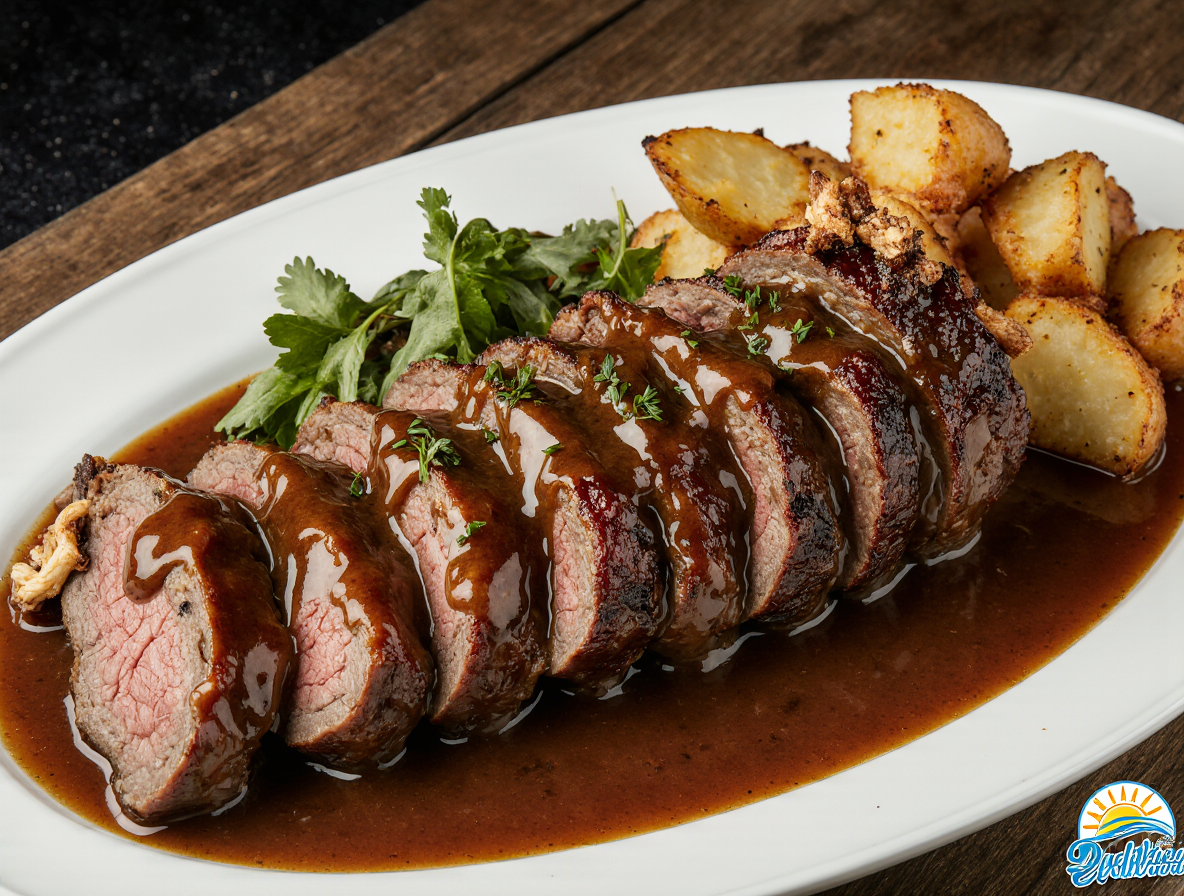
- Slice against the grain.
- Fan slices slightly.
- Spoon garlic butter over top.
- Finish with flaky sea salt.
- Garnish with fresh thyme sprigs.
Serve on warm plates to maintain temperature.
Storage and Reheating
If you have leftovers:
- Store in airtight container.
- Refrigerate up to 3 days.
To reheat:
- Warm gently in skillet with butter.
- Avoid microwaving (causes rubbery texture).
Leftover steak is excellent in:
- Steak sandwiches
- Salads
- Tacos
- Breakfast hash
Why This Method Works Every Time
The beauty of pan-seared garlic butter steak lies in its balance of science and simplicity.
You control:
- Heat
- Timing
- Doneness
- Flavor layering
With just a few ingredients and proper technique, you create a dish that rivals expensive steakhouse meals at a fraction of the cost.
Conclusion
Mastering the art of pan-seared garlic butter steak is one of the most rewarding skills any home cook can develop. It transforms a simple cut of beef into a deeply flavorful, beautifully caramelized centerpiece that feels indulgent yet entirely achievable. From selecting a well-marbled ribeye to perfecting the Maillard reaction in a hot cast-iron skillet, each step plays a crucial role in achieving steakhouse-quality results at home.
The combination of high heat, simple seasoning, and aromatic butter basting creates a layered flavor experience that is rich, savory, and unforgettable. Once you understand the fundamentals—dry surface, proper temperature, patience during searing, and adequate resting—you gain the confidence to cook steak flawlessly every time.
Whether you’re preparing a romantic dinner, celebrating a special occasion, or simply craving a perfectly cooked piece of beef, this pan-seared garlic butter steak delivers elegance without complication. With practice, attention to detail, and quality ingredients, you’ll discover that the best steakhouse in town might just be your own kitchen.




Leave a Reply